The Truth About Cycle Breakers
Updated January 2023: I’m so glad you’re here and taking steps towards healing. I do have a series of articles on reparenting but want to be upfront that I’m in a place in my healing journey where I’ve moved away from talking about narcissistic traits in others and I’m currently focusing solely on my expansion and what brings me joy. I’ve moved away from the textbooks and have jumped headfirst back into shadow work art (my original healing medium) mixed with a newfound interest in mushrooms. If the thought of using art and mushrooms to find peace outside of your family’s dysfunctions excites you then definitely do poke around. Sending you luck on your journey, friend.
This is a space where we, as mothers, can explore ourselves, our trauma, and our parenting with safety, vulnerability, and intrigue. It's a unique space because we celebrate cycle breaking here—that's not the case everywhere (especially in your toxic family).
There are too many misconceptions about mothers who choose to break toxic cycles. So, I'm here to reveal the truth about cycle breakers.
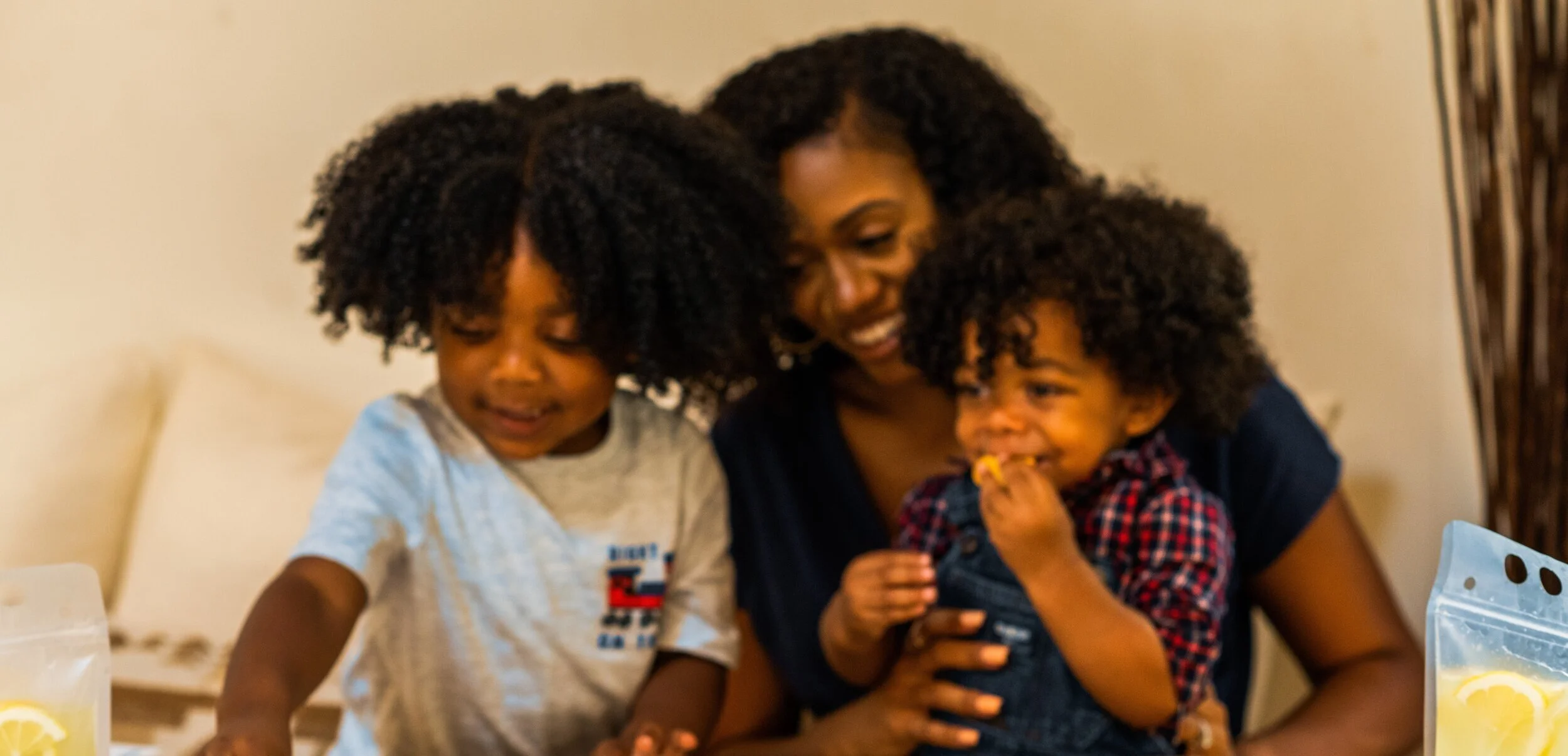
Myth: Cycle breakers are broken people.
Fact: Cycle breakers are some of the strongest, most resilient people on this planet.
We live in a society that doesn't value communication, self-love, or healthy relationships. But as cycle breakers, we value those things—and to some people, that seems weird.
Setting boundaries, holding others accountable for their abusive behavior, and calling out actions that might endanger your child are healthy, but they're not normalized yet.
Because these things tend to make others feel uncomfortable, some people may not want to have you around—not because there's something wrong with you, but because they're not ready to grow. And that's okay.
By prioritizing yourself and making the conscious choice to heal, you're doing the hard work of breaking toxic patterns.
The reality is that cycle breakers are strong and caring. They are resilient, powerful, smart, thoughtful, and amazing. If you're a cycle breaker, you should be proud.

Myth: Cycle breakers don't love their parents.
Fact: Cycle breakers are some of the most loving people in the world. Instead of not loving their parents, trauma often causes them to lose sight of their self-love.
While it's okay to hold space for gratitude and love despite adverse childhood experiences (ACE), some people (well, most people) don't practice healthy love. Instead, they justify their parents' behavior and seek to model it in their own families. This is the cycle of harm—and it's not easy to escape.
Even cycle breakers who need to go no contact love their parents. Cycle breakers do what they do to escape the toxic love they were taught - and heal themselves in the process.
Myth: All cycle breakers grew up in physically abusive households.
Fact: While some cycle breakers experienced traumatic physical abuse, others experienced trauma that was harder to identify as bad. Emotional and verbal abuse, like instability, manipulation, and neglect, are common. Many cycle breakers don't even realize their trauma until much later in life.
For some people, the reality of their abusive household(s) was unmistakable. For others, the process of realizing childhood trauma was a journey. No matter how you got here, examining your adverse childhood experiences (ACE) and questioning how they affected (and continue to affect) your behavior, career, and life is a huge step in cycle breaking.
Acknowledging your needs, desires, faults, and shortcomings in parenting is how you break the toxic cycle—and it's not easy. Even if there was no physical abuse, that doesn't mean there was no abuse.